
Biofuel by Tala Green L’Equipe
Biodiesel from Used Cooking Oil: Powering a Cleaner Future for South Africa.
Why Biodiesel Matters
South Africa’s energy transition is guided by a clear national mandate: to strengthen energy security, stimulate inclusive economic growth, and reduce greenhouse gas emissions in line with the country’s climate commitments under the Paris Agreement. Within this framework, the transport sector remains one of the most carbon-intensive segments of the economy, with heavy-duty vehicles contributing significantly to national diesel consumption and emissions.
Biodiesel provides an immediate, policy-aligned intervention.
The White Paper on Energy Policy (1998) sets out Government’s commitment to diversifying energy supply, promoting renewable energy development, and ensuring greater participation by historically disadvantaged South Africans in the energy sector. It recognises the importance of reducing environmental impacts while building a competitive and secure energy system.
At the same time, the Carbon Tax Act (Act No. 15 of 2019) places a direct price on greenhouse gas emissions, creating a regulatory incentive for industries—particularly transport, mining, and heavy-duty logistics—to lower their carbon footprint. As carbon tax rates increase in line with South Africa’s climate commitments, the cost of high-emission fuels continues to rise.
The South African Biofuels Industrial Strategy, fuel pricing framework, and carbon tax regime collectively recognise the importance of diversifying the liquid fuels mix while reducing environmental impact. Biodiesel produced from Used Cooking Oil (UCO) supports these objectives by delivering a lower-carbon alternative to conventional diesel without requiring extensive infrastructure changes or engine modifications.
In addition to emissions reduction, waste-derived biodiesel aligns with national priorities on circular economy development and local beneficiation. By converting waste oil into renewable fuel, South Africa can reduce environmental pollution, strengthen domestic value chains, and decrease reliance on imported fossil fuels.
Biodiesel represents a practical, scalable solution that advances industrialisation, waste management reform, and climate resilience—while supporting a just and inclusive energy transition.

What is Biodiesel from Used Cooking Oil?
Biodiesel from Used Cooking Oil (UCO) is a renewable, biodegradable fuel produced by converting waste vegetable oils into clean energy. Through a refining process known as transesterification, used cooking oil is transformed into B100 biodiesel—a high-quality, low-carbon fuel that can be used on its own or blended with conventional diesel.
Unlike fossil fuels, biodiesel derived from waste feedstock significantly reduces lifecycle greenhouse gas emissions and lowers harmful exhaust pollutants. It provides a practical, drop-in solution for heavy-duty vehicles, generators, and industrial equipment without requiring major engine modifications.
The process begins by collecting used cooking oil from restaurants, food manufacturers, catering facilities, and other commercial kitchens. Instead of allowing this waste oil to be discarded into landfills or sewage systems—where it can cause environmental damage—it is carefully processed and refined into usable fuel.
By transforming waste into energy, biodiesel from UCO supports South Africa’s circular economy objectives, strengthens local value chains, and reduces dependence on imported fossil fuels.
It is sustainable innovation in action—turning yesterday’s waste into tomorrow’s energy.
Why Heavy-Duty Vehicles Should Lead the Transition

High Carbon Impact, Immediate Opportunity
Heavy-duty trucks, buses, and logistics fleets account for a disproportionate share of transport-related CO₂ emissions in South Africa. These vehicles consume large volumes of diesel daily, making them one of the most effective starting points for immediate emissions reduction. Transitioning heavy-duty fleets to biodiesel delivers measurable carbon savings at scale—without waiting for long-term infrastructure shifts.

Drop-In Compatibility
Biodiesel offers a practical, low-barrier solution. It can be blended with conventional diesel or used in approved engines with little to no modification. This compatibility makes biodiesel a cost-effective alternative fuel that enables fleet operators to reduce emissions without replacing vehicles or overhauling infrastructure.

Health & Air Quality Benefits
Compared to fossil diesel, biodiesel combustion produces lower levels of sulphur, particulate matter, and unburned hydrocarbons. This improves air quality in urban corridors, industrial zones, and mining regions—areas where heavy-duty vehicles operate most intensively—contributing to better public health outcomes.

Economic & Industrial Development
Scaling UCO-to-biodiesel production creates local employment in collection, logistics, refining, and distribution. It strengthens domestic value chains while reducing reliance on imported crude oil and refined diesel.

Policy & Climate Alignment
Decarbonising heavy-duty fleets directly supports South Africa’s commitments under the Paris Agreement, the Carbon Tax Act, and national climate strategies. Biodiesel enables compliance while supporting a just and inclusive energy transition.
Why Used Cooking Oil?
Readily Available Waste Stream:
South Africa generates thousands of litres of UCO daily from fast-food outlets, restaurants, and households.
Environmental Protection:
Properly recycling UCO prevents it from clogging sewage systems or contaminating water sources.
Circular Economy Model:
What was once waste becomes fuel—turning an environmental liability into a renewable asset.
Biofuel: Investing in South Africa’s Biodiesel Future
Rudolf Diesel initially explored using peanut oil for his engine because he envisioned it as a way to empower developing agricultural economies and promote energy independence. He was particularly interested in using vegetable oils like peanut oil to support agricultural economies and reduce reliance on fossil fuels. At the 1900 World’s Fair in Paris, he famously ran his engine on 100% peanut oil, showcasing the versatility of his invention.
A Market Opportunity Ready to Grow
South Africa’s transport sector is one of the largest contributors to greenhouse gas emissions, with heavy-duty vehicles accounting for a disproportionate share. At the same time, the country imports the majority of its fossil fuels, making it vulnerable to price volatility and supply disruptions.
Biodiesel offers a scalable, locally produced alternative that turns waste into energy. With thousands of litres of Used Cooking Oil (UCO) generated daily across South Africa, the feedstock is readily available to fuel a profitable, circular economy model.
- Rising Fuel Demand – South Africa consumes over 11 billion litres of diesel annually, creating significant space for biodiesel blends.
- Blended Fuels Adoption – B5 and B20 blends are rapidly deployable, while B100 biodiesel is already suitable for heavy-duty vehicles.
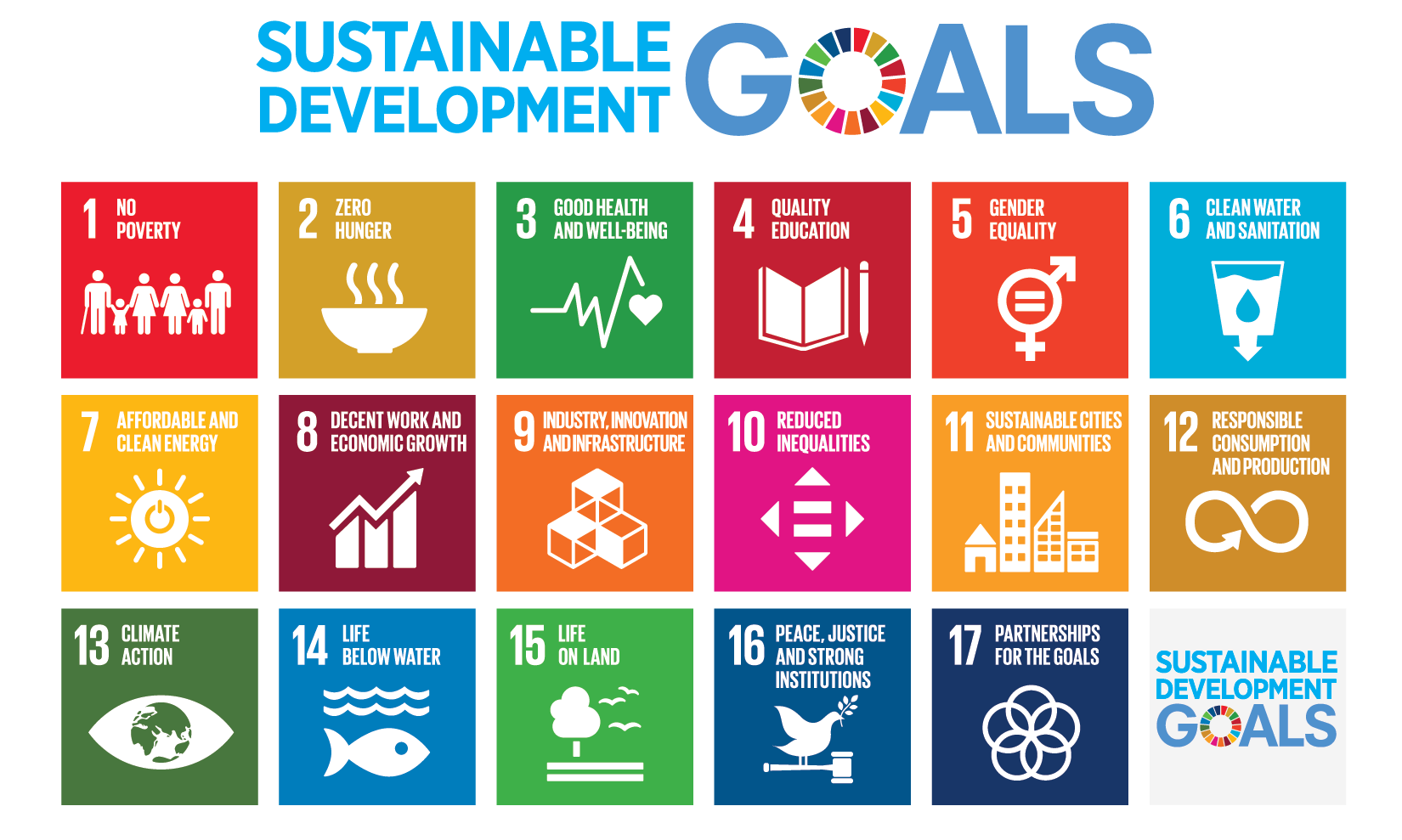
- ESD & SDG Alignment – Investments create jobs, support small business development, and advance the United Nations Sustainable Development Goals.
Legal and Policy Environment
South Africa’s regulatory framework is aligned with both global and national climate objectives:
- Paris Agreement Commitments – South Africa has pledged to reduce emissions and transition toward cleaner energy solutions.
- National Biofuels Industrial Strategy – Provides the foundation for integrating biofuels into the national energy mix.
- Renewable Energy Policy – Encourages innovation and investment in localised, sustainable projects.
- Enterprise & Supplier Development (ESD) – Ensures that biodiesel projects create inclusive growth by engaging local entrepreneurs and small suppliers.
This alignment creates a stable and forward-looking environment for investors, guaranteeing that projects such as biodiesel production enjoy both policy support and market demand.

ROI: Transforming Waste into Profits
Investing in biodiesel is not only an environmental imperative—it is a high-return opportunity:
- Low Feedstock Costs – UCO is a low-cost, readily available raw material.
- High-Value End Product – Clean biodiesel commands competitive pricing in a growing green fuel market.
- Diversified Revenue Streams – Income from biodiesel sales, carbon credits, and by-products (e.g., glycerine).
- Long-Term Growth – Demand for cleaner fuels will continue to grow as regulations tighten and corporations seek greener supply chains.
By establishing the Gauteng Biodiesel Plant, Tala L’Equipe and its partners are positioning themselves at the centre of South Africa’s clean energy transition—creating a profitable, scalable, and socially impactful business model.
 One Fuel Tank at a Time
At Tala L’Equipe, we believe in revolutionizing energy access and sustainability, one fuel tank at a time. By blending global expertise, local resources, and a clear policy framework, we are not only reducing emissions but also building an economy that works for people and the planet.
In a 1912 speech Diesel said, “The use of vegetable oils for engine fuels may seem insignificant today, but such oils may become, in the course of time, as important as petroleum and the coal tar products of the present time.”
The Way Forward
Adopting biodiesel made from UCO is not just an environmental choice—it’s a strategic economic and social decision. By prioritising its use in heavy-duty vehicles, South Africa can reduce its carbon footprint, improve public health, and stimulate green jobs while building resilience against fluctuating oil prices.