ARABIE Edible Oil Project
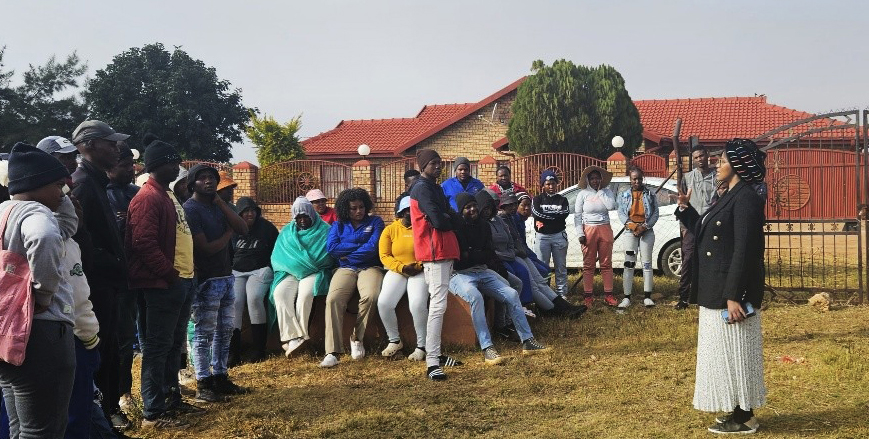
Through a strategic partnership with the Batau ba Seleone and Matla-Dicheung Tribal Authorities, Mahlaku Shadi TALA Holdings has embedded itself within the community—ensuring that development is inclusive, participatory, and economically meaningful. This collaboration has enabled access to land, strengthened social licence to operate, and, most importantly, created structured employment opportunities for local residents, with a commitment to sustainable and long-term job creation.
The Edible Oil Project in Limpopo Province, spanning the Ephraim Mogale and Lepelle-Nkumpi Municipalities, represents a landmark initiative focused on sustainable agriculture, agro-processing, and rural industrialisation.
Designed to unlock underutilised agricultural potential, the project aims to cultivate edible oil crops while building downstream processing capacity that retains value within the province.
Working closely with the Seleone and Matla-Dicheung Chieftaincies, Mahlaku Shadi TALA Holdings has ensured that traditional leadership plays a central role in guiding development outcomes. This partnership model places rural communities at the heart of economic growth—advancing employment, skills development, and shared prosperity.
Together, we are cultivating land, building industries, and strengthening local economies—rooted in respect, empowerment, and long-term sustainability.
What the Project Involves
Cultivation of Edible Oil Crops
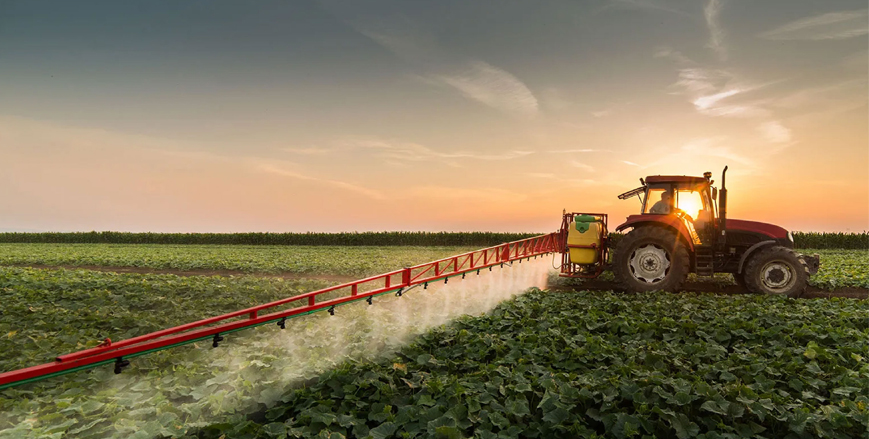
At the heart of the project is the large-scale cultivation of edible oil crops, including sunflower, soybean, and other oilseed varieties suited to Limpopo’s agricultural conditions. This farming platform will strengthen South Africa’s food security while creating structured, long-term employment opportunities for local communities. By transforming underutilised land into productive agricultural assets, the project lays the foundation for sustainable rural economic growth.
Construction of a Local Refinery
The project includes the development of a state-of-the-art edible oil refinery within the region. By moving beyond raw crop production to local processing and value addition, the refinery ensures that economic benefits remain within Limpopo. This downstream integration supports industrialisation, skills development, and the creation of higher-value employment opportunities—positioning the province as a competitive agro-processing hub.
Scientific and Environmental Foundations
The project is grounded in rigorous technical and environmental assessments. A comprehensive desktop study and geohydrology evaluations have been completed, confirming agricultural viability and long-term water sustainability. These scientific foundations ensure responsible land stewardship, regulatory compliance, and a development model designed for resilience and longevity.
Jobs, Growth, and Community Impact
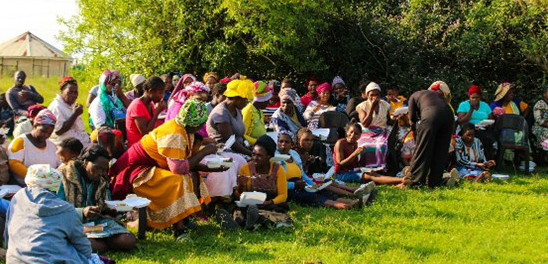
The project will deliver guaranteed jobs across the agricultural and industrial value chain—covering planting, harvesting, processing, and logistics. Beyond employment, it will also provide opportunities for skills development, small business growth, and long-term economic participation.
By ensuring that rural areas are not forgotten, the project empowers communities to feed the nation while benefiting directly from the value generated on their land.
Please add in the photos for this page, I name them accordingly.
Edible Oil Project in Limpopo: Growing Prosperity for Rural Communities
Community Engagement
Seleone Tribal Authority
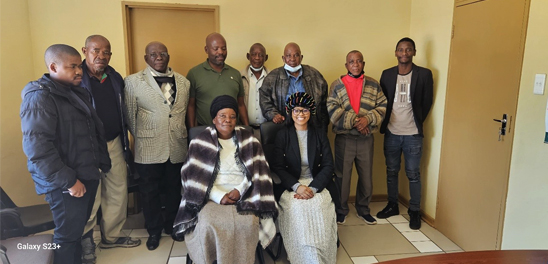
With the Seleone Chief

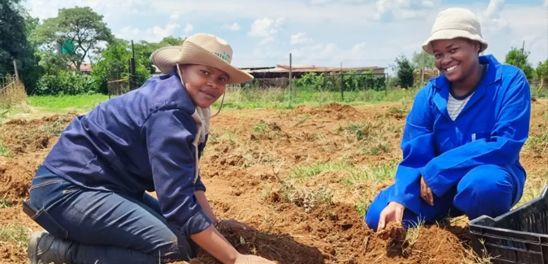
Checking in with Learners from Botegang Farming
Matlala Dichoeung operations in Van Der Merwe’s Kraal Farm
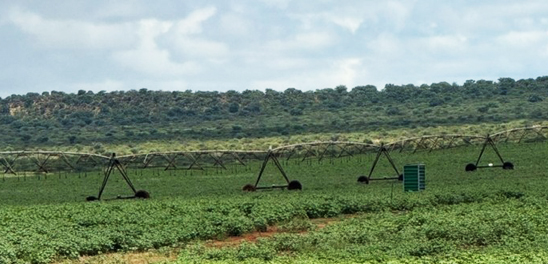
The dedication, permission, and support of the Tribal Authorities has been vital in shaping and advancing this initiative. Their stewardship ensures that development aligns with the needs and values of the community, preserving heritage while creating new opportunities for future generations.
Towards a Sustainable Future
This Edible Oil Project is more than an agricultural investment—it is a commitment to rural development, food security, and economic dignity. By turning Limpopo into a hub for edible oil production, the project promises to bring prosperity to local communities while contributing to South Africa’s broader socio-economic growth.